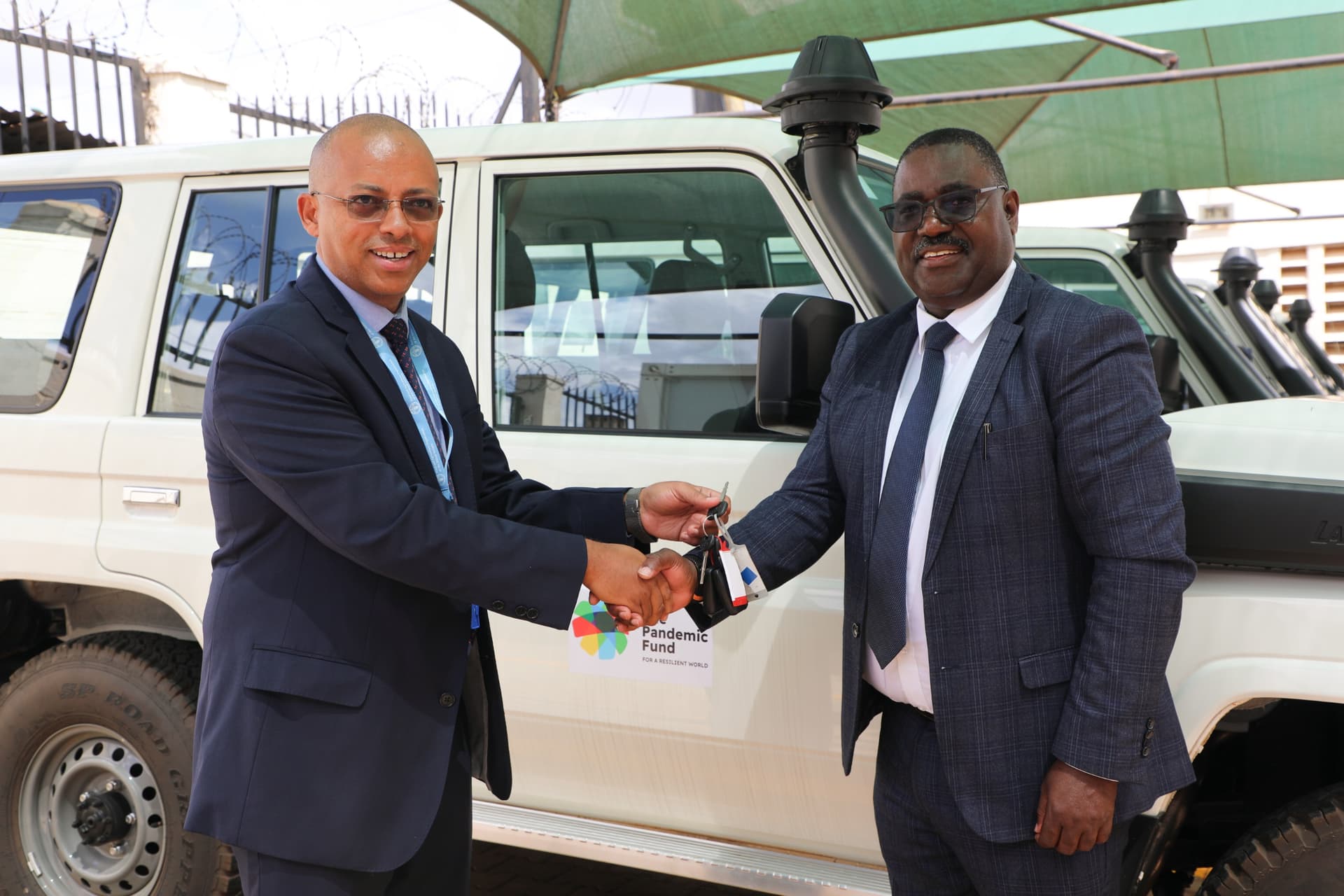
FAO hands over vehicles to strengthen zoonotic disease Inspection in Virunga
By our reporter
Kampala, Uganda – April 10, 2026
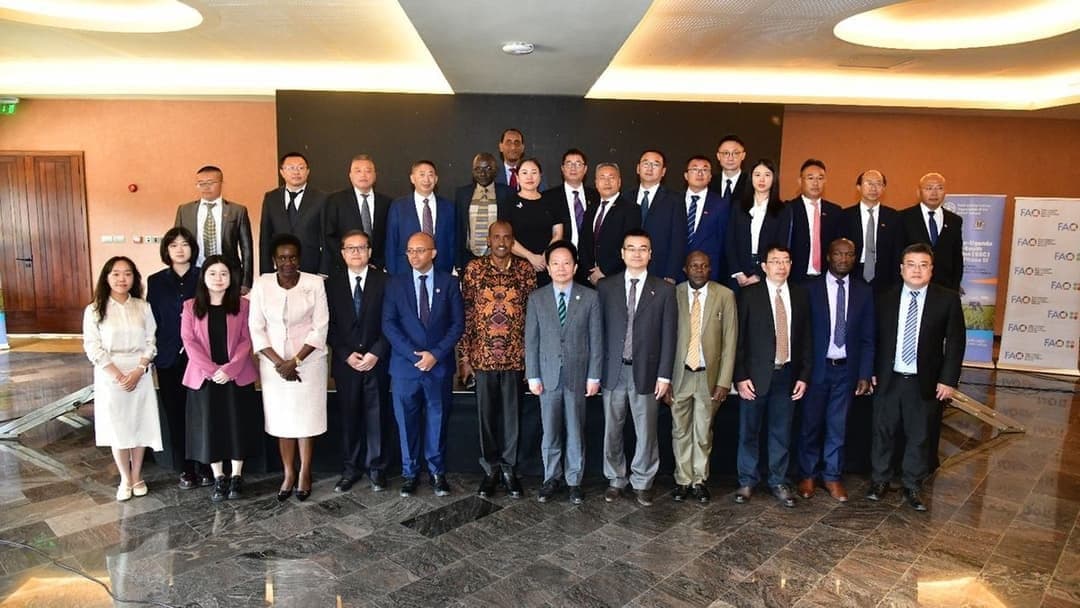
In a move to strengthen frontline disease surveillance and pandemic preparedness, the Food and Agriculture Organization of the United Nations (FAO) has handed over eight field vehicles to the Greater Virunga Transboundary Collaboration (GVTC) and Gorilla Doctors, targeting improved response to zoonotic disease threats across one of the world’s most ecologically sensitive regions.
The handover, conducted in Kampala, is part of the Regional One Health Pandemic Prevention, Preparedness and Response project funded by the World Bank’s Pandemic Fund and implemented by FAO in partnership with the World Health Organization (WHO) and UNICEF.
Stretching across Uganda, Rwanda and the Democratic Republic of the Congo, the Greater Virunga Landscape is globally renowned for its rich biodiversity. However, experts warn that the same ecological richness combined with increasing human activity, places the region at heightened risk of zoonotic disease transmission due to frequent interactions between people, livestock, and wildlife.
With the new fleet, field teams are expected to significantly improve access to remote and high-risk areas, enhancing disease detection, accelerating response times, and strengthening cross-border coordination—critical elements in preventing outbreaks before they escalate into regional or global health crises.
“This handover comes at a critical moment,” said Andrew G. Seguya, noting that the vehicles will boost operational capacity and reinforce collaboration under the One Health framework. He revealed that more than 3,000 samples have already been collected through the project, signaling growing momentum in strengthening surveillance systems across the tri-national landscape.
At the World Health Organization, Resilient Systems and Readiness Officer Edson Katushabe emphasized that improved field mobility will enhance the timeliness and efficiency of surveillance and response efforts, particularly in underserved and hard-to-reach communities.
Similarly, Stefan Lawson, speaking on behalf of UNICEF, underscored the importance of reaching “the last mile,” noting that the vehicles will support early warning systems and rapid response mechanisms in vulnerable populations often left behind in conventional health systems.
Conservation and health stakeholders, including the World Wide Fund for Nature (WWF), International Gorilla Conservation Programme, and the International Union for Conservation of Nature, welcomed the development, describing it as a timely intervention in safeguarding both human and wildlife health.
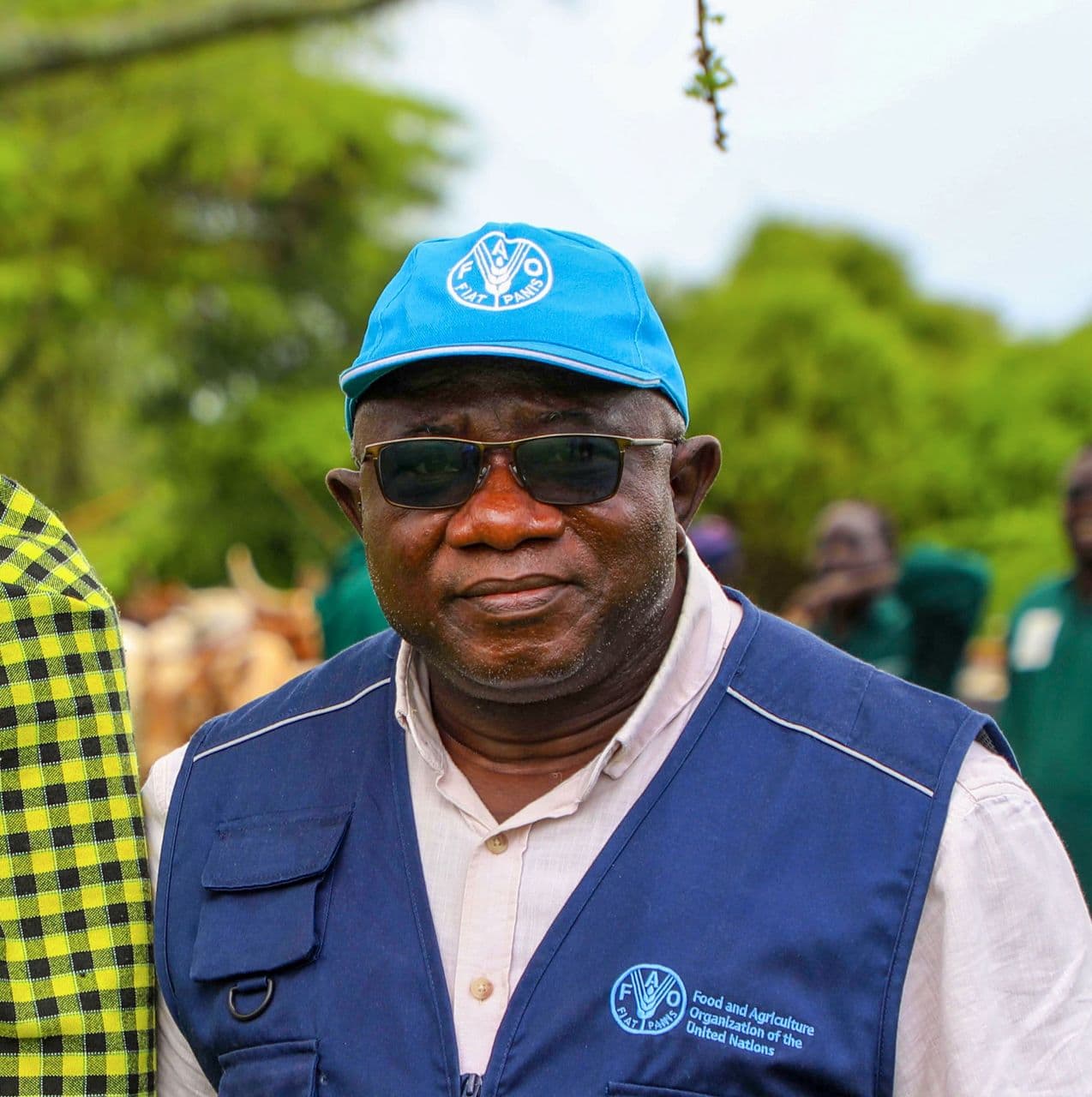
FAO Representative in Uganda, Ezana Kassa, said the initiative reflects the practical application of the One Health approach—integrating human, animal, and environmental health systems.
“By strengthening field operations and coordination, we are helping protect livelihoods, safeguard biodiversity, and reduce the risk of future pandemics,” he said.
The Greater Virunga Landscape has increasingly been identified by scientists as a potential hotspot for emerging infectious diseases, given its dense ecosystems and porous borders. The COVID-19 pandemic and past Ebola outbreaks in the region have underscored the urgent need for proactive surveillance systems rooted in community-level detection and rapid response.
Under the Strengthening One Health Preparedness, Prevention, and Response in the Greater Virunga Landscape (SOHGVL) project, the three countries are working collectively to address these risks at their source. The initiative, backed by a USD 24.5 million budget over 31 months, focuses on strengthening early warning systems, improving workforce capacity, and enhancing coordination across human, animal, and environmental health sectors.
The project also prioritizes community engagement, recognizing that local populations are often the first line of detection in disease outbreaks. Journalists and public health experts note that sustained investment in awareness, reporting systems, and grassroots capacity will be key to ensuring that gains made through such interventions are not lost.
As climate change, population growth, and land-use pressures continue to reshape ecosystems across East and Central Africa, experts warn that the risk of zoonotic spillovers could increase. The latest intervention, therefore, not only strengthens immediate response capacity but also signals a broader shift toward prevention arguably the most cost-effective and life-saving strategy in global health security.