TOURISM PROGRAMME’S TOP-TIER RANKING SIGNALS RECOVERY
By our Reporter
Uganda’s Tourism Development Programme has broken into the country’s top three performing government programmes, a milestone that reflects both a strong post-pandemic rebound and the growing weight of tourism in the national economy. But beneath the recognition lies a more complex story of recovery, structural gaps, and a sector still negotiating its full potential.
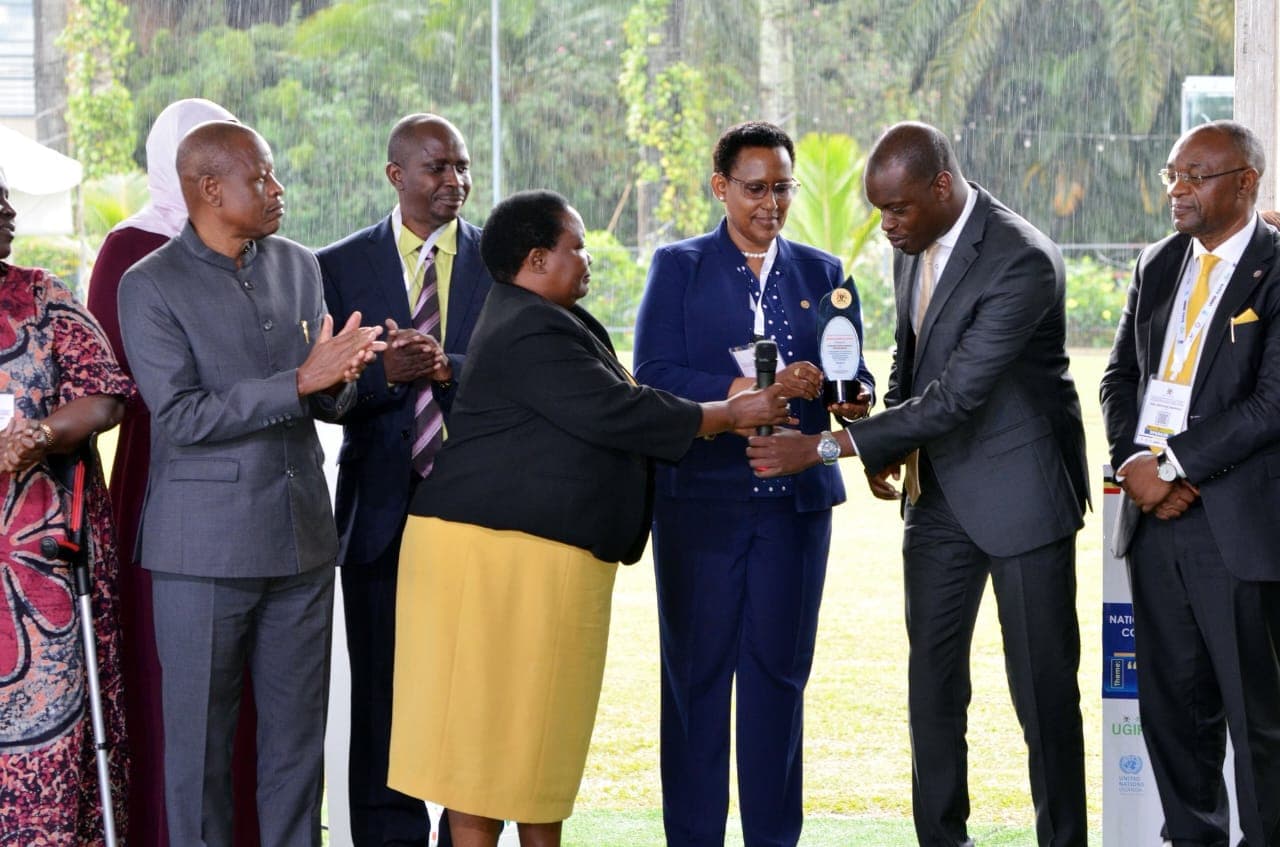
At the National Annual Performance Review Conference held at Speke Resort Convention Centre, Munyonyo, from April 15th to 17th organized by the office of the prime Minister (OPM), the programme posted a performance score of 60.76% for the Financial Year 2024/25. It ranked third behind Sustainable Development of Petroleum Resources (64.88%) and Administration of Justice (63.73%), cementing tourism’s place among Uganda’s key economic drivers.
The numbers tell a compelling story of resurgence. Uganda’s tourism sector has not only bounced back from the shock of the COVID-19 pandemic, it has surpassed its pre-pandemic peak. At the height of the crisis in 2020/2021, international tourist arrivals plunged from about 1.5 million to less than 800,000. Today, the sector has recovered beyond those levels, with arrivals rising to over 1.6 million in 2025, figures that, according to officials, have not been recorded in Uganda’s tourism history.
Tourism earnings have followed a similar trajectory. Revenues grew to UGX 5.83 trillion (about USD 1.62 billion) in 2025, up from UGX 4.8 trillion the previous year, while domestic tourism also expanded, with about 3.3 million Ugandans travelling within the country. The sector now contributes about 6% to GDP and supports more than 876,000 jobs, underlining its importance not just as a foreign exchange earner, but as a livelihood anchor.
Presenting the Ministry of Tourism, Wildlife and Antiquities’ (MTWA) response on behalf of the Minister of Tourism, Wildlife and Antiquities, Hon. Tom Butime, State Minister Martin Bahinduka Mugarra pointed to resilience and strategic interventions as key drivers of the recovery.
“We are honored to have been recognized among the top three best performing entities at the National Performance Review Conference on Uganda’s Development Agenda, he said.
He added that tourism, as part of the ATMs—Agro-Industrialisation, Tourism, Mineral-based development and Science, Technology and Innovation remains central to Uganda’s Tenfold Growth Strategy, which aims to expand the economy to $500 billion within the next 15 years.
“In 2025, tourism revenues increased from $1.28 billion in 2024 to $1.7 billion in 2025, and international arrivals increased from 1.3 million to 1.65 million. Domestic tourism also continues to grow, with approximately 3.27 million Ugandans traveling within the country in 2025,” Mugarra noted.
“This growth is driven by among others; tourism product development and diversification that MTWA together with her sister agencies and departments is focusing on, investment in foreign missions marketing drives, domestic tourism awareness campaigns, partnerships with private sector and infrastructure development that the government of Uganda has been keen on,” he added.
Yet even as the government celebrates the programme’s elevation into the top tier, some industry players caution that the recognition may mask underlying inefficiencies. Several private sector actors in the travel and hospitality industry, who spoke to this reporter on condition of anonymity, argue that the Ministry is still operating below its potential.
They cite limited strategic marketing support, slow recovery interventions for tour operators and lodge owners, and gaps in coordination as constraints that continue to affect competitiveness in a highly contested global tourism market.
These concerns come against the backdrop of persistent structural challenges acknowledged by the Ministry itself, including human-wildlife conflict, inadequate infrastructure in key tourism zones, limited internet and electricity connectivity, and lingering negative perceptions in international markets.
Government says it is responding. Measures such as the installation of 221 kilometres of electric fencing, increased ranger deployment, and the adoption of digital surveillance technologies are aimed at reducing wildlife conflict and enhancing conservation.
Infrastructure development is also ongoing, with progress reported on key tourism roads including Kabale–Lake Bunyonyi and Kisoro–Mgahinga, alongside efforts to expand ICT and electricity access in protected areas.
For the sector’s technocrats, the ranking is both validation and a reminder of unfinished work. Permanent Secretary Doreen Katusiime described the recognition as a reflection of steady, if uneven, progress.
“Greatly honoured to receive recognition for the Tourism Development Programme ranking among Uganda’s top 3 performers (60.76%) at the National Performance Review Conference,” she noted.
“This reflects a sector that has rebounded and is growing, standing at 1.6M international arrivals bringing in UGX 5.83 trillion in earnings and employing about 800,000 people, thus supporting thousands of livelihoods. Tourism is not just recovering, its driving transformation,” she added.
Industry players, too, acknowledge the momentum. Ron Kazooba Kawamara, an entrepreneur in the travel and hospitality industry and Vice Chairperson of the Uganda Tourism Board (UTB), credited the Ministry’s leadership for steering the rebound.
“Thank you for your strong and dedicated leadership in steering the sector back to hypergrowth,” he noted.
At the political level, players expect performance to translate into impact.
Delivering the President’s remarks, Prime Minister Robinah Nabbanja emphasized the need to move beyond planning to measurable results, urging sectors to prioritize value addition, infrastructure, and service delivery.
That shift may ultimately define the next phase of Uganda’s tourism story.
While the sector’s recovery has been remarkable, arguably one of the strongest on the continent, the real test lies in converting growth into competitiveness, inclusivity, and long-term resilience.