Stanbic Bank has reduced its lending rate for agriculture-based Savings and Credit Cooperative Organisations (SACCOs) to 10 percent per annum in a move aimed at expanding affordable financing for farmers and deepening financial inclusion across Uganda.
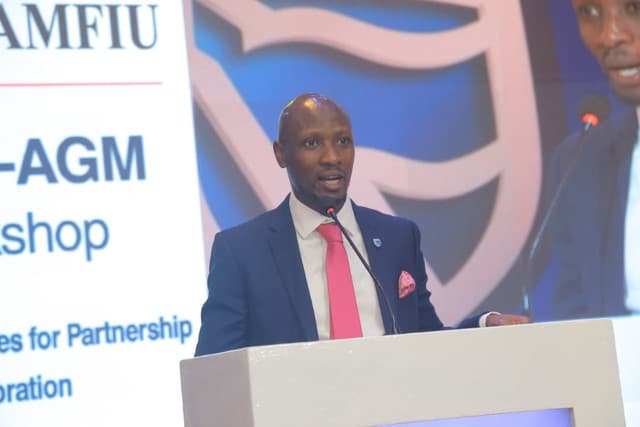
The announcement was made during the 28th Annual General Meeting of the Association of Microfinance Institutions of Uganda (AMFIU), where the bank said the new rates are intended to strengthen SACCOs' capacity to extend affordable credit to rural communities and smallholder farmers.
Stephen Segujja, Stanbic Bank's Head of the Economic Enterprise Restart Fund, said agriculture-focused SACCOs will now access loans at 10 percent annually, while multi-purpose SACCOs will borrow at 12.5 percent. Individual SACCOs will be eligible for financing of up to Shs7 billion.
"We understand that SACCOs need affordable capital to serve their members effectively," Segujja said, adding that the bank believes the agriculture lending rate is among the lowest available in the market. He noted that Stanbic has also expanded lending to include microfinance institutions.
According to the bank, more than Shs362 billion has been channelled through SACCOs and Village Savings and Loan Associations (VSLAs) since 2021, reaching nearly four million Ugandans, the majority of whom are smallholder farmers. About 780,000 members have accessed credit through the institutions during the period.
Segujja said Stanbic's approach to financial inclusion goes beyond providing loans, focusing instead on creating economic opportunities for women, youth and farmers.
"We believe that financial inclusion is not simply about opening accounts or providing loans. It is about creating opportunities for farmers to increase productivity, women entrepreneurs to grow their businesses and families to build resilience," he said.
The bank's financial inclusion strategy is anchored on its Women, Youth and Farmers agenda, backed by a Shs1 trillion investment commitment to provide financing, business development support and partnerships aimed at increasing agricultural productivity and formalising businesses.
AMFIU Board President James Onyutta said the microfinance sector continues to play a key role in supporting enterprise growth and improving livelihoods, particularly among low-income households, rural communities and other underserved groups.
He said collaboration between AMFIU and financial institutions has strengthened SACCOs and VSLAs, enabling affordable financial services to reach communities that have traditionally been excluded from the formal banking sector.
The Commissioner for Financial Services at the Ministry of Finance, Planning and Economic Development, Moses Ogwapus, commended AMFIU for advancing financial inclusion, saying its work has enabled millions of Ugandans, particularly women, farmers and entrepreneurs, to access economic opportunities.
Beyond lending, Stanbic said it is supporting the digitisation of SACCOs through partnerships, including with aBi Finance, and is using its FlexiPay platform to improve efficiency and broaden access to financial services. The bank also said it has trained more than 35,000 women leaders and farmer representatives in governance, financial management and leadership.