Uganda Marks Biodiversity Day With Ecosystem Restoration Drive in Mt. Elgon Region
Uganda on Friday joins the rest of the world to commemorate the International Day for Biodiversity with renewed calls for urgent ecosystem restoration amid growing environmental degradation across the country.
The national celebrations are taking place in the Mt. Elgon landscape covering Mbale and Kween districts under the theme, “Acting Locally to Restore Degraded Ecosystems,” in line with the global theme, “Acting Locally for Global Impact.”
According to a statement issued by Naomi Karekaho, the Head of Corporate Communications at the National Environment Management Authority (NEMA), Uganda’s International Day for Biodiversity commemorations are aimed at raising awareness on the importance of conserving biodiversity while mobilising communities and stakeholders to take local action in restoring degraded ecosystems across the country.
"On behalf of the Government of Uganda, NEMA is leading the commemorations, bringing together government agencies, conservation organisations, development partners, schools, private sector players and local communities to champion biodiversity conservation efforts," She noted.
Uganda remains one of Africa’s richest biodiversity nations, with ecosystems that support tourism, agriculture, climate regulation, water resources and livelihoods. However, environmental experts warn that increasing deforestation, wetland degradation, unsustainable farming, soil erosion and climate change continue to threaten the country’s fragile ecosystems.
The Mt. Elgon region, known for its forests, rivers, bird species and wildlife habitats, has in recent years faced devastating impacts including landslides, flooding and declining ecosystem health linked to environmental destruction.
Ahead of the official celebrations, NEMA and its partners have spent the week carrying out restoration activities across Eastern Uganda aimed at reversing ecosystem degradation and mobilising communities to protect natural resources.
On Thursday, a team led by NEMA Commissioner for Enforcement and Field Operations Mr. Nahabwe, representing Executive Director Barirega Akankwasah, officially flagged off a major restoration exercise in the region.

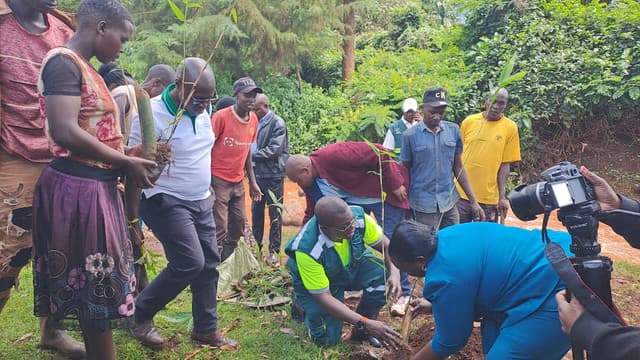
The exercise focused on restoring sections of River Makhuba in Mbale District and River Sundet in Kween District through tree planting and riverbank rehabilitation efforts.
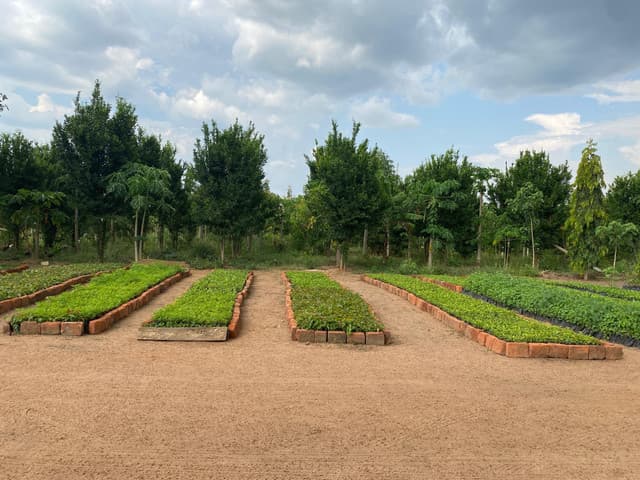
NEMA said more than 15,000 indigenous tree species are expected to be planted as part of the campaign, with restoration teams planting assorted indigenous seedlings and grasses along a 4.5-kilometre stretch of River Makhuba in Bukyende Sub-county.
The planted species include indigenous trees such as Gravelia and Prunus Africana, alongside grasses including bamboo aimed at stabilising riverbanks and improving ecosystem resilience.
NEMA said over 9,300 assorted indigenous seedlings were donated by TowerCo of Africa, while other organisations and private sector entities are being encouraged to support the ongoing restoration campaign.
Local leaders from the Resident District Commissioner’s Office in Mbale joined women, youth and community members in the exercise, highlighting growing community participation in biodiversity conservation efforts.
The restoration activities are being implemented under the Mt. Elgon Project housed within NEMA with support from the Global Environment Facility.
Other activities conducted this week ahead of the main event included school outreach programmes, media engagements and public awareness campaigns aimed at promoting biodiversity conservation and sustainable environmental practices.
The main national event is being held at Bukyende Secondary School and is expected to attract government Ministries, Departments and Agencies, conservation groups, development partners, local governments, schools and environmental activists.
NEMA says the commemorations are intended to raise public awareness on the importance of biodiversity and encourage local communities to take action in restoring degraded ecosystems for sustainable development and future generations.