ACODE Raises Red Flag Over Forest Governance, Climate Justice and Service Delivery Gaps in West Nile and Karamoja
The Advocates Coalition for Development and Environment (ACODE) has sounded the alarm over deep-rooted governance failures, weak forest management systems, inadequate benefit-sharing arrangements, and climate-related vulnerabilities that continue to undermine sustainable development and environmental protection in Uganda’s West Nile and Karamoja sub-regions.
The concerns emerge from extensive field engagements and research conducted under ACODE’s project titled “Strengthening Civic Engagement, Voice, Service Delivery and Climate Justice for Improved Accountability in Uganda,” funded by the Royal Danish Embassy, Embassy of Ireland, Embassy of the Kingdom of the Netherlands, and Embassy of Sweden.
Working alongside grassroots organizations, including the Karamoja Herders of the Horn (KHH) and the West Nile Development Association (WENDA), ACODE undertook a series of consultations with communities, local leaders, government officials, civil society organizations, and other stakeholders. The engagements culminated in four policy briefs documenting persistent governance and climate justice challenges affecting some of Uganda’s most vulnerable populations.
One of the key findings highlights serious weaknesses in Uganda’s Collaborative Forest Management (CFM) framework, a system designed to bring communities, local governments, and the National Forestry Authority (NFA) together to jointly manage forest resources.
While the policy framework promises equitable sharing of rights, roles, responsibilities, and returns, ACODE’s findings reveal that implementation on the ground has often fallen short of expectations.
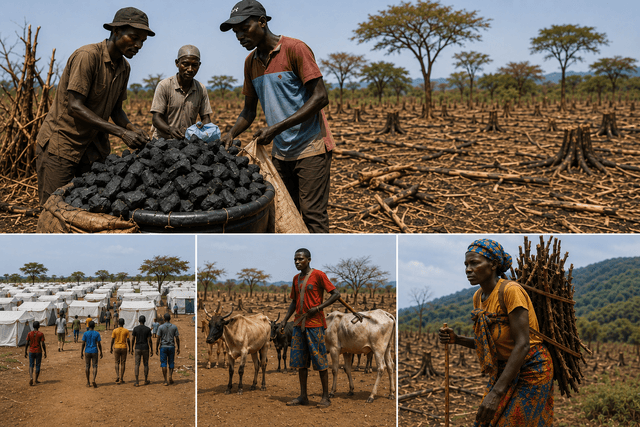
In West Nile, which hosts more than 1.5 million refugees from South Sudan and the Democratic Republic of Congo, increasing demand for fuelwood, construction materials, agricultural land, and non-timber forest products has placed enormous pressure on forest ecosystems.
Central Forest Reserves such as Zoka and Agoro-Agu continue to experience significant degradation driven by refugee-related resource demand, commercial charcoal production, tobacco curing, illegal logging, and weak enforcement.
Evidence reviewed by ACODE indicates that Zoka Forest alone lost approximately 40 percent of its forest cover between 2001 and 2015, while annual deforestation rates in parts of West Nile stand at 3.2 percent, significantly higher than Uganda’s national average of 2.1 percent.
The situation is compounded by cross-border timber smuggling, encroachment into protected areas, unclear forest boundaries, and institutional weaknesses that limit effective monitoring and enforcement.
In Karamoja, forest degradation is driven by a different but equally complex set of factors.
Prolonged droughts, widespread poverty, overgrazing, wildfires, expansion of agriculture, charcoal production, and competition over scarce natural resources continue to threaten forest landscapes such as Timu and Murungole Central Forest Reserves.
Available evidence further shows that some forested areas in Karamoja experienced a 25 percent decline in forest cover between 2010 and 2020.
Despite forests serving as critical sources of livestock fodder, traditional medicines, fuelwood, and climate resilience, ACODE notes that “communities are increasingly turning to unsustainable exploitation practices due to limited livelihood alternatives.”
The policy briefs reveal that many forest-dependent households perceive forests as open-access resources because enforcement remains weak and incentives for conservation are insufficient.
The reports further expose critical loopholes within existing Collaborative Forest Management arrangements.
Among the most significant shortcomings are weak benefit-sharing mechanisms that leave communities feeling short-changed despite their role in protecting forests.
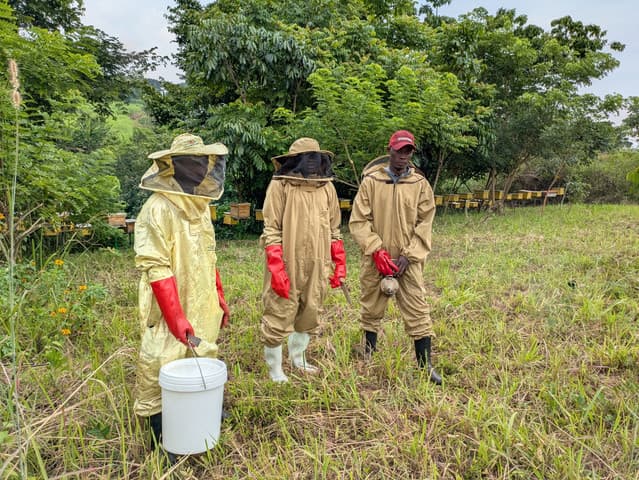
Many community members reported that promised livelihood benefits, including beekeeping projects and non-timber forest product enterprises, often generate lower incomes than illegal activities such as charcoal burning, timber harvesting, or cultivation within protected areas.
As a result, some community members lose interest in forest conservation initiatives and revert to unsustainable practices.
The research also highlights governance challenges, including limited participation of local communities in decision-making, inadequate representation of women and youth, lack of transparency in negotiations, and elite capture of benefits intended for broader community development.
Institutional instability, including frequent transfers of technical staff and inadequate funding for local government forest management activities, further weakens implementation efforts.
In refugee-hosting areas, ACODE found that the rapid influx of displaced populations has overwhelmed existing forest governance structures, increased competition for resources, and strained the capacity of local institutions responsible for forest protection. Settlements such as Bidibidi, one of the world's largest refugee settlements, consume an estimated 1,000 tonnes of wood fuel daily, with more than 93 percent of both refugee and host households relying on firewood and charcoal for cooking and energy needs.
The organization warns that “without targeted interventions, continued forest loss could undermine climate resilience, food security, biodiversity conservation, and peaceful coexistence between host communities and refugees.”
Despite these challenges, the policy briefs also document examples where Collaborative Forest Management has yielded positive results.
In Budongo Central Forest Reserve, joint patrols and tripartite management arrangements reportedly reduced forest disturbances by 40% and improved forest regeneration. Similar interventions in Zoka and Agoro-Agu demonstrated that participatory mapping, boundary demarcation, livelihood support, and stronger stakeholder collaboration can significantly reduce encroachment and illegal activities.
ACODE argues that these successes demonstrate the potential of Collaborative Forest Management when supported by clear rules, adequate financing, effective monitoring systems, and meaningful community participation.
To address the identified gaps, the organization is calling for a comprehensive reform agenda.
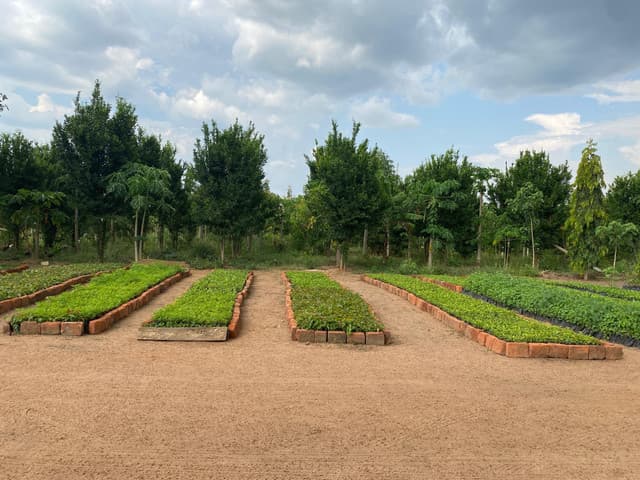
Among the recommendations are the formal gazetting of revised Collaborative Forest Management guidelines, mandatory and transparent benefit-sharing arrangements, stronger decentralization of forest governance responsibilities to district local governments, and increased investment in climate-resilient livelihood opportunities such as agroforestry, beekeeping, bamboo enterprises, and sustainable non-timber forest product value chains.
The policy briefs also recommend integrating Collaborative Forest Management into Uganda’s climate commitments under the Paris Agreement and broader development frameworks such as the National Development Plan.
ACODE further advocates for stronger inclusion of women, youth, refugees, pastoralists, and other marginalized groups in forest governance structures, arguing that equitable participation is critical to long-term sustainability.
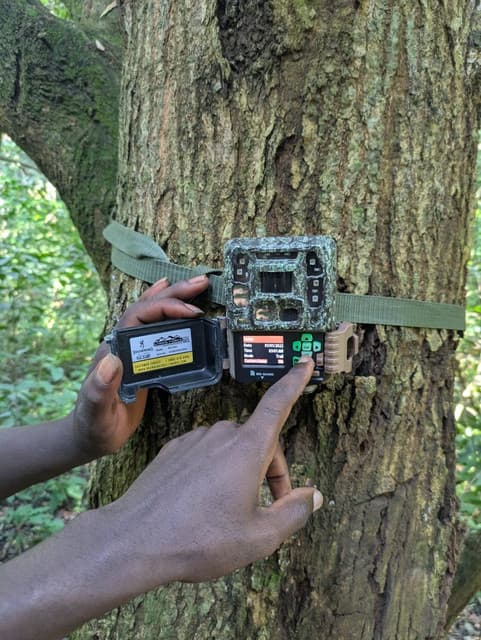
The organization is also pushing for improved monitoring and accountability systems, including community-led monitoring, digital forest management tools, annual audits, and public disclosure of forest management agreements to reduce corruption and elite capture.
For refugee-hosting districts in West Nile, ACODE recommends the adoption of refugee-inclusive forest management models that recognize the realities of population pressures while promoting sustainable resource use and reducing conflicts.
In Karamoja, the organization proposes forest management approaches that recognize the region’s pastoral production systems, drought challenges, and communal land-use practices.
ACODE maintains that unless structural weaknesses within forest governance systems are addressed, Uganda risks losing critical forest resources that support rural livelihoods, biodiversity conservation, climate adaptation, and economic development.
The organization believes that strengthening civic engagement, improving accountability, empowering local communities, and reforming benefit-sharing arrangements could transform forest-dependent populations from passive beneficiaries into active custodians of Uganda’s natural resources.
The findings come at a time when Uganda continues to face growing climate pressures, rising demand for natural resources, and increasing calls for more inclusive and accountable governance systems capable of balancing environmental protection with socio-economic development.